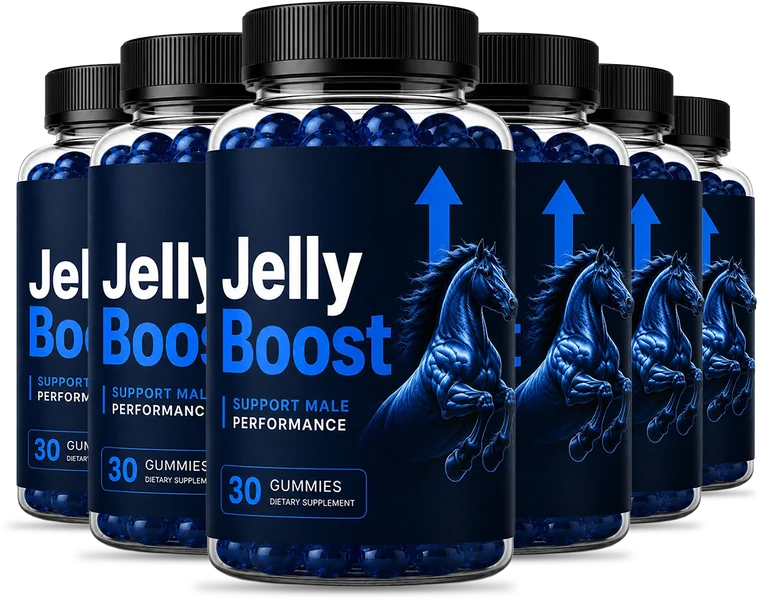
Tongkat Ali & Fadogia Agrestis: Two Testosterone-Support Botanicals, Compared
Tongkat Ali and Fadogia Agrestis are both traditional botanicals studied for supporting natural testosterone production, but they come from different research traditions.
Understanding how they differ, and their honest limits, sets realistic expectations for their combined role in a formula like Jelly Boost.
Tongkat Ali: the more established of the two
Tongkat Ali (Eurycoma longifolia) is a root native to Southeast Asia with decades of research behind it. Studies summarized on PubMed Central have examined its relationship with testosterone markers, generally finding modest associations, particularly in men under physical stress or with lower baseline levels.
Fadogia Agrestis: newer to Western formulas, longer traditional use
Fadogia Agrestis is a plant native to Nigeria, traditionally used in West African herbal medicine. It has more recently been incorporated into men's wellness formulas in the West, studied for its possible role in supporting hormonal function, strength and stamina. Its research base in human clinical trials is smaller than Tongkat Ali's.
Why pair them rather than choosing one
Since both botanicals are studied for related but not identical roles in testosterone support, pairing them reflects a strategy of covering multiple traditional approaches rather than betting on a single ingredient. This is a coherent formulation choice, though it does not substitute for either ingredient having a large, well-controlled human trial specific to the finished blend.
Applying this to Jelly Boost
Jelly Boost pairs Tongkat Ali with Fadogia Agrestis as its core testosterone-support duo, alongside Ashwagandha for stress resilience. See our piece on Ashwagandha, stress and hormones for how the stress-resilience side of the formula connects back to hormonal balance.